What Are Your Specific Web Design Needs?
Target Audience: Define who your audience is, including demographics, interests, and online behavior. Understanding your audience helps tailor the design to their preferences.
Brand Identity: Ensure the design aligns with your brand's values, mission, and visual identity. Consistency in colors, fonts, and imagery strengthens brand recognition.
Functionality: Identify features necessary for your website, such as e-commerce capabilities, user accounts, or booking systems. These functionalities enhance user engagement and streamline operations.
Content Management: Determine the need for a content management system (CMS) that allows easy updates. A user-friendly CMS empowers your team to maintain the site without technical assistance.
Mobile Responsiveness: Specify the requirement for a mobile-friendly design. With over 50% of web traffic coming from mobile devices, responsive design is crucial for user experience.
SEO Optimization: Consider integrating SEO best practices into the design. This includes optimizing page speed, metadata, and mobile usability to improve search engine rankings.
Integration with Tools: Identify any third-party tools or platforms that need to be integrated, such as CRM systems, email marketing solutions, or analytics tools. Seamless integration enhances operational efficiency.
Budget Constraints: Clearly outline your budget for web design. A transparent budget helps agencies propose solutions that fit your financial parameters while meeting your needs.
Timeline: Establish a timeline for project completion. Clear deadlines facilitate better planning and resource allocation for both your team and the agency.
How to Assess the Portfolio of a Web Design Agency?
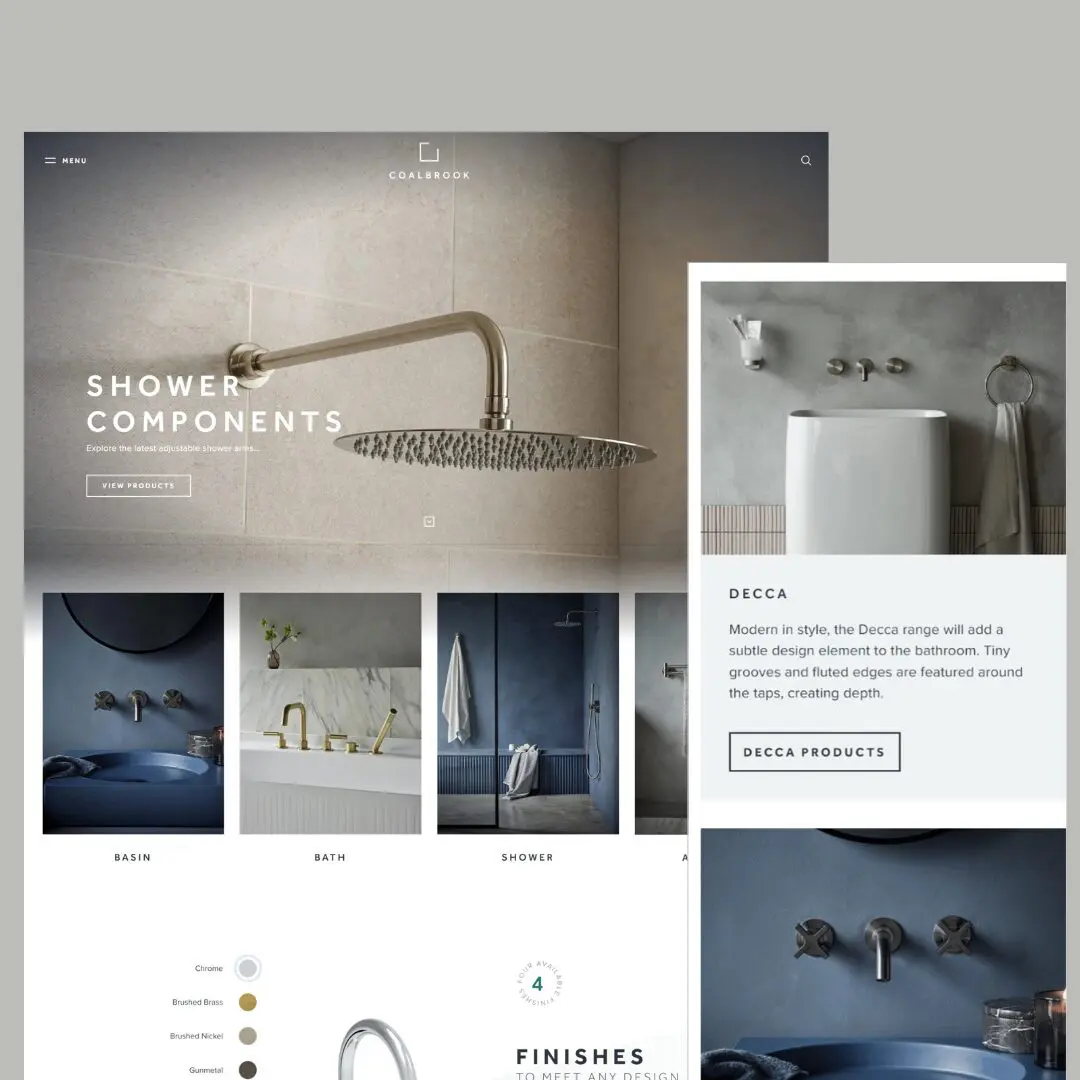
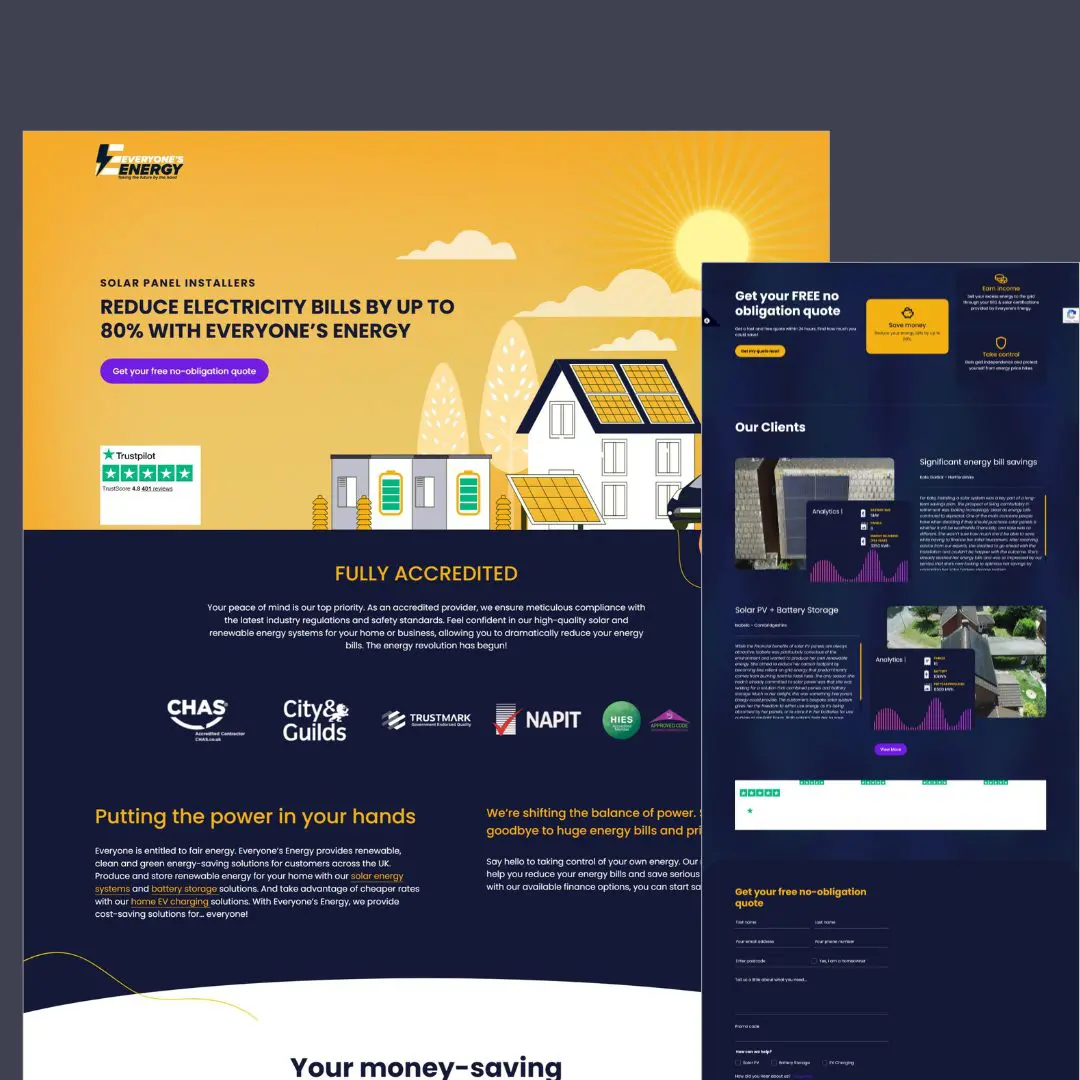
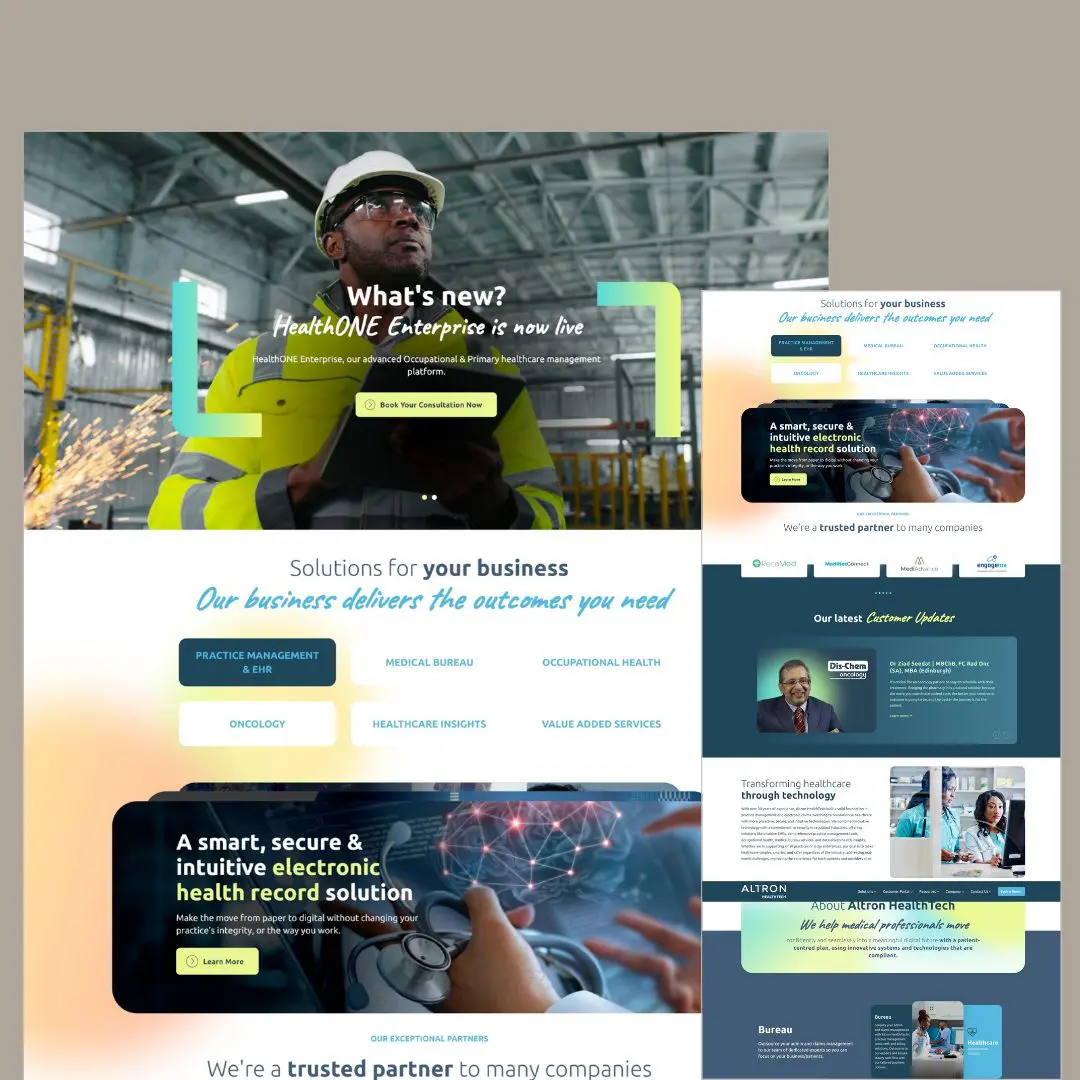
Evaluating a web design agency's portfolio is crucial for ensuring their style aligns with your vision. Begin by examining diversity in design. A strong portfolio showcases various projects across different industries, highlighting the agency's adaptability and creativity. Look for distinct styles, color palettes, and layout designs that resonate with your preferences.
Next, analyze the quality of work. Focus on the details in each project, such as user experience, responsiveness, and overall aesthetics. Pay attention to how well each design fulfills its intended purpose. For example, an effective e-commerce site should facilitate seamless navigation and conversions.
| Evaluation Criteria | What to Look For | Why It Matters |
|---|---|---|
| Diversity in Design | Variety of projects across industries | Indicates adaptability and creativity |
| Quality of Work | User experience and responsiveness | Affects usability and satisfaction |
Consider the client testimonials included in the portfolio. Positive feedback from previous clients can provide insights into the agency's reliability and communication skills. Look for specific comments on how the agency met client needs and expectations.
Finally, assess the outcomes of the projects displayed. Review metrics such as increased traffic, higher conversion rates, or improved user engagement. These results demonstrate the agency's effectiveness in achieving business goals, reinforcing their capability to deliver impactful web designs.
What Questions Should You Ask During Initial Consultations?
What is your design process? Understanding the agency's design workflow will help you determine how they approach projects and ensure their methods align with your expectations.
Can you provide case studies or examples of similar projects? Requesting specific examples allows you to evaluate their experience and the results they achieved for clients with needs similar to yours.
How do you handle revisions and client feedback? Knowing their policy on revisions and how they integrate feedback offers insight into their collaborative approach and flexibility.
What is your timeline for project completion? Establishing a clear timeline helps set expectations and ensures that the agency can meet your deadlines.
How do you ensure the website is optimized for search engines? Inquiring about their SEO practices reveals their knowledge of best practices that can enhance your site's visibility.
What technologies and platforms do you specialize in? Understanding their technical expertise allows you to assess if they are equipped to handle your specific requirements.
How do you measure the success of a project post-launch? Their approach to evaluating project outcomes indicates their commitment to accountability and ongoing improvement.
How to Evaluate the Agency's Technical Skills?
Assessing an agency's technical skills is essential for ensuring they can meet your web project requirements. Start by examining their proficiency in key programming languages such as HTML, CSS, JavaScript, and PHP. A strong grasp of these languages indicates that the agency can create responsive and functional websites. Additionally, inquire about their experience with content management systems (CMS) like WordPress, Joomla, or Drupal, as this can significantly affect the ease of website updates and maintenance.
Look for familiarity with front-end frameworks such as React or Angular, which enhance user experience through dynamic interfaces. Evaluate their understanding of back-end technologies, including database management systems like MySQL or MongoDB. An agency well-versed in both front-end and back-end development can ensure smooth data flow and site functionality. Furthermore, consider their expertise in SEO best practices and website performance optimization techniques, which are vital for achieving high visibility and user engagement.
What Is the Importance of Client Testimonials and Reviews?
Client testimonials and reviews serve as a vital resource in evaluating the credibility of a web design agency. Feedback from previous clients provides insights into the agency's reliability, quality of work, and customer service. Positive testimonials can indicate a history of successful projects, while negative reviews can highlight potential red flags or areas of concern.
Analyzing specific feedback helps prospective clients understand the agency's strengths and weaknesses. For instance, a client might praise an agency for its innovative designs or timely project delivery. Conversely, consistent complaints about communication issues may suggest a lack of transparency. Reviews often contain details about project outcomes, which can inform your decision-making process effectively.
Client testimonials act as a window into an agency's real-world performance, offering valuable insights that go beyond the surface-level marketing claims.
Dr. Amelia Hartwell
How to Compare Pricing Models of Different Agencies?
1. Fixed Pricing Model
The fixed pricing model offers a predetermined cost for a specific project scope. This structure benefits clients who want to maintain control over their budget. Agencies typically provide a detailed proposal outlining deliverables, timelines, and payment schedules. This model works well for projects with clear requirements, reducing the risk of unexpected costs.
2. Hourly Pricing Model
In the hourly pricing model, clients pay based on the actual hours worked by the agency. This model is suitable for projects with evolving requirements or ongoing maintenance tasks. While it provides flexibility, it may lead to budget uncertainty. Clients should request time estimates and track hours closely to avoid unexpected expenses.
3. Value-Based Pricing Model
The value-based pricing model aligns agency fees with the value delivered to the client. Agencies assess the potential impact of their work on the client's business, setting prices accordingly. This model often results in higher costs but can yield significant returns. Clients should evaluate whether the projected value justifies the investment.
4. Retainer Pricing Model
A retainer pricing model involves ongoing payments for a set amount of services over a defined period. This model is ideal for clients needing continuous support, such as regular updates or marketing services. Retainers ensure priority access to agency resources, but clients must ensure that the services provided align with their needs to maximize value.
5. Project-Based Pricing Model
The project-based pricing model charges a single fee for the entire project. This approach combines elements of fixed pricing but can accommodate more complex projects. Clients and agencies collaborate to define project scopes and deliverables, allowing for flexibility. It’s essential to clarify all aspects of the project to avoid scope creep and additional costs.
What Are the Red Flags to Watch Out For?
Lack of Transparency: Agencies that do not openly share their processes, pricing, or timelines may be hiding inefficiencies or issues. Clear communication is essential for a successful partnership.
Poor Communication: If an agency is slow to respond to inquiries or provides vague answers, it may indicate a lack of commitment or professionalism, which can affect project outcomes.
Inconsistent Portfolio: A portfolio that lacks variety or shows a significant gap in recent work might suggest a lack of experience or an inability to adapt to new design trends.
Unrealistic Promises: Agencies that guarantee specific results or timelines without a detailed plan may be overpromising. Reliable agencies set achievable expectations based on project complexity.
Limited Client Engagement: An agency that does not involve clients in the design process or seek feedback may not prioritize client needs, leading to unsatisfactory outcomes.
Negative Reviews: Consistent negative feedback on platforms like Google or Yelp can indicate systemic issues within the agency. Researching reviews can provide valuable insights into their reputation.
High Turnover Rates: Frequent staff changes may signal internal issues, affecting the continuity and quality of service provided to clients. Stability within the team is crucial for project success.
How to Ensure Effective Communication with Your Chosen Agency?
Establishing clear communication from the outset is crucial for project success. Define communication channels such as email, project management tools, or instant messaging platforms. Regular updates through these channels keep everyone aligned and informed about project progress. Schedule weekly check-ins to address any concerns and clarify expectations, fostering an environment of transparency.
Utilizing specific communication guidelines can enhance collaboration. Share project goals and objectives clearly to ensure the agency understands your vision. Encourage the agency to provide regular feedback on deliverables, which allows for timely adjustments. Document all discussions and decisions to create a reference point for future interactions, enhancing accountability and reducing misunderstandings.
What Should You Expect in Terms of Post-Launch Support?
Availability of Support Channels: Determine the support channels the agency offers post-launch, such as email, phone, or live chat. A responsive agency ensures that you can reach them easily for any urgent issues or questions.
Maintenance Services: Inquire about the types of maintenance services included in your contract. These may cover updates, security patches, and performance optimization. Regular maintenance is crucial for the longevity of your website.
Response Time: Understand the expected response time for support requests. A reliable agency typically provides a Service Level Agreement (SLA) that outlines how quickly they will address issues, ensuring minimal downtime for your site.
Training and Documentation: Confirm if the agency provides training on how to use the website effectively. Comprehensive documentation can help you manage content updates and troubleshoot common issues independently.
Future Enhancements: Discuss the agency's approach to future enhancements or upgrades. A proactive agency will suggest improvements based on evolving technology trends and user feedback, keeping your website competitive.
Cost of Ongoing Support: Clarify the costs associated with post-launch support. Some agencies include a certain level of support in the initial fee, while others may charge separately. Understanding these costs helps you budget effectively.
Regular Check-Ins: Ask if the agency conducts regular check-ins to assess website performance and user experience. These meetings can provide valuable insights and foster a long-term partnership focused on your success.
Are you looking for professional services? Find more details here:
website design cape town
Business Name: Gridweb
Address: 200 Uys Krige Dr, Plattekloof 2, Cape Town, 7530
Email: info@gridweb.co.za
Phone: 021 300 1841
Hours:
Monday: 08:00–17:00PM
Tuesday: 08:00–17:00PM
Wednesday: 08:00–17:00PM
Thursday: 08:00–17:00PM
Friday: 08:00–17:00PM
Gridweb is Cape Town's leading web design and development agency, creating custom website design and SEO rankings. With more than 15+ years of experience, we work with clients of all sizes across a broad range of sectors.
As specialists in ecommerce website design Cape Town, we understand the intricacies of building platforms that convert visitors into customers. Our websites are not only beautiful but also optimized for speed, functionality, and user experience. If you're looking for reliable website design in Cape Town, our team is ready to help you establish a powerful digital footprint.
Portfolio: